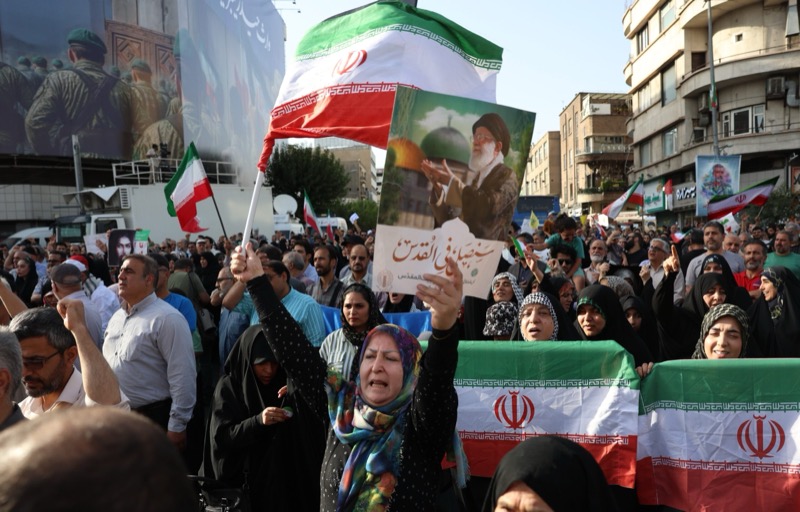
Iran is currently facing a major national crisis involving government repression, economic collapse, internet blackouts, power outages, and widespread protests. Many people are struggling to afford food, communicate with loved ones, or live normal daily lives. Reports from inside the country describe severe human rights abuses as well as growing fear and desperation among civilians. At the same time, Iranians inside the country and around the world are demanding change.
For much of the 20th century, Iran was ruled by kings under the Pahlavi dynasty. Reza Shah Pahlavi and later his son, Mohammad Reza Shah, pushed modernization and strong central control, but many people felt the government limited political freedom and favored the wealthy.
In 1979, widespread protests led to the Islamic Revolution, which overthrew the monarchy. Religious leaders, led by Ayatollah Ruhollah Khomeini, established the Islamic Republic of Iran, a system where clerics hold the most power. Since then, Iran has been governed by strict religious laws, limited free speech, and strong control over the media. Over the years, protests have repeatedly broken out as people called for reform or major change.
Today, Iran is experiencing a deep economic crisis. Inflation is high, the national currency has lost value, and everyday items like bread, rice, and meat have become extremely expensive. Many families are struggling to afford food, and reports describe people going hungry. The situation has worsened due to electricity shutdowns in parts of the country, which affect homes, businesses, hospitals, and schools.
Since January 8th the government has imposed internet blackouts, limiting access to social media and global news. This has made it difficult for people to communicate, organize, or share what is happening inside the country. In some cases, people are charged high fees per minute to make phone calls to loved ones, making communication unaffordable for many families.
In response to these hardships, Iranians have started protesting, demanding better living conditions, freedom, and an end to oppression. The government has responded with arrests, force, and censorship, increasing fear and anger among the population.
As protests spread, reports from human rights groups and witnesses describe violent police responses. Security forces have allegedly targeted protesters in ways intended to cause permanent harm, like blinding them, or death. In some areas, marketplaces were reportedly set on fire, and people fleeing the flames were shot as they tried to escape. Since the start of these protests, over 30,000 people have been reported as dead and more than 330,000 protesters have been injured.
Families of those killed have also faced further suffering. In some cases, authorities have demanded large payments for the return of victims’ bodies, making it difficult for families to hold proper funerals. Out of fear that bodies may be taken or funerals disrupted, some parents have reportedly buried their children in secret, including in private yards, to mourn safely and protect their loved ones’ remains.
In response, Iranians around the world have organized protests to bring attention to the crisis. In Los Angeles, home to one of the largest Iranian communities outside Iran, demonstrations have drawn thousands calling for justice, human rights, and international action. These protests aim to speak for those inside Iran who cannot safely protest or share information.
There is no single agreement on what Iran’s future should be, but many people agree that the current system is not working. Some Iranians support the return of a constitutional monarchy led by Reza Pahlavi, the son of Iran’s last king, believing it could bring stability and national unity. Others believe Iran should become a democracy, with free elections, equal rights, and separation of religion and government.
While opinions differ, many Iranians share the same hopes: freedom of speech, affordable living conditions, reliable electricity and internet, and a government that represents the people rather than controls them. For more information and current updates check out reliable news sources like Amnesty international.