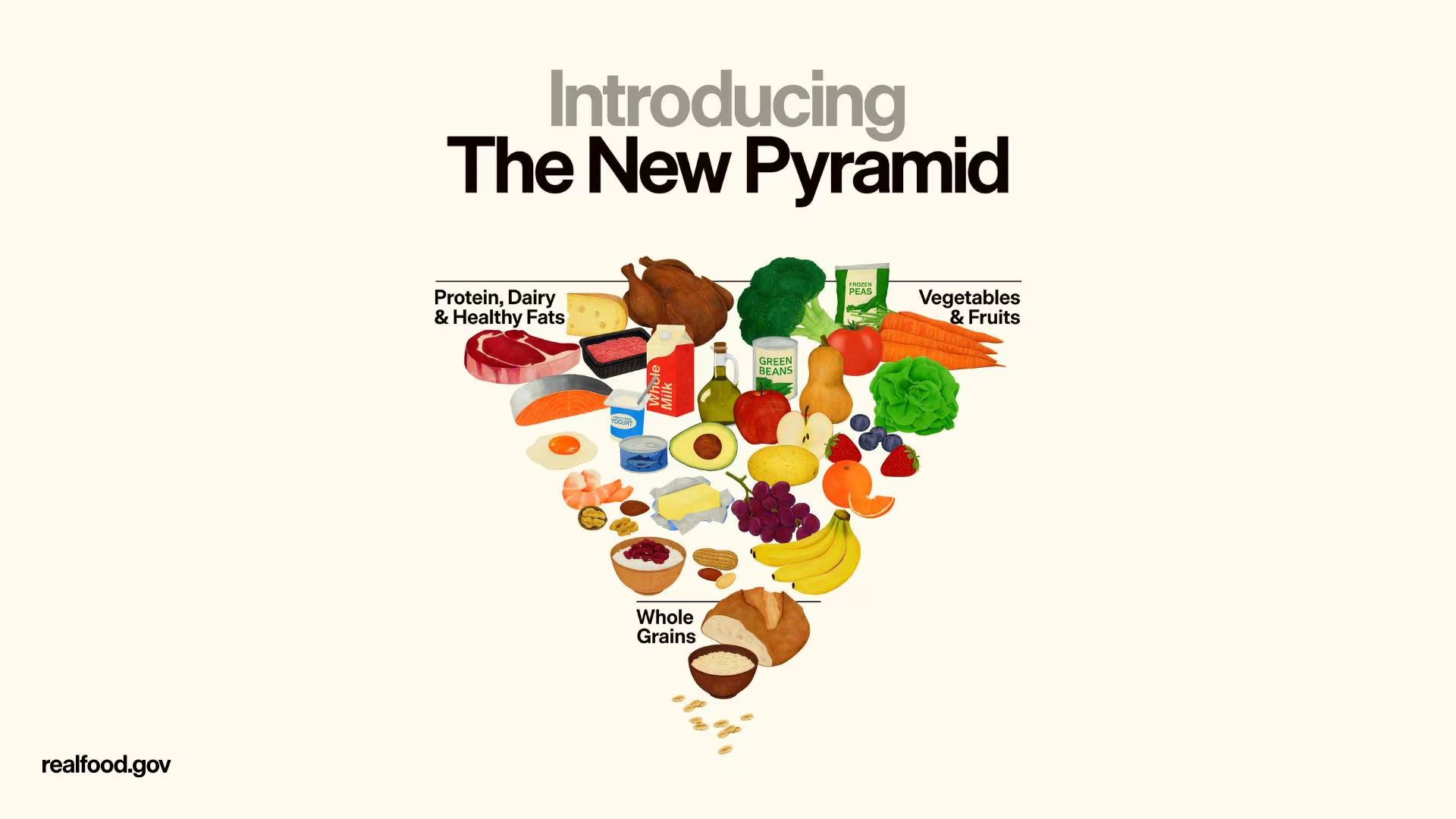
The federal government quietly did something rare on January 7th, 2026: it admitted that America’s approach to nutrition hasn’t been working. They released the Dietary Guidelines for Americans, 2025–2030, a stark contrast from our old pyramid.
The new guidelines came as the country faces record levels of obesity, diabetes, and other chronic diseases tied directly to diet. Instead of focusing on calories, percentages, and nutrient math, the updated recommendations emphasize food quality and how food is actually consumed in real life. The core message is straightforward and clear: meals should be built around whole, minimally processed foods.
Protein plays a larger role than in past guidelines. Americans are encouraged to include a meaningful protein source at every meal, whether that comes from eggs, seafood, poultry, meat, dairy, beans, or nuts. The shift reflects growing recognition that adequate protein supports metabolic health, muscle mass, and satiety across all age groups.
For the first time, the federal government also directly calls out processed food as a problem. Highly packaged snacks, refined grains, sugary drinks, and foods loaded with additives are singled out as major contributors to poor health. Soda and energy drinks are specifically discouraged, with water and unsweetened beverages recommended instead.
Another notable change is the return of healthy fats. After years of low-fat messaging, the guidelines now recognize that fats from whole foods, such as full-fat dairy, seafood, nuts, seeds, olives, and natural oils, can be part of a healthy diet. Added sugars and refined carbohydrates, not fat itself, are identified as the bigger concern.
Additionally, the USDA is bringing back a redesigned food pyramid to replace the MyPlate graphic. The new visual prioritizes vegetables, fruits, proteins, and healthy fats, while placing refined starches and sugars at the top to signal moderation rather than daily staples.
These guidelines will shape school meals, federal nutrition programs, and public health messaging for years to come. Whether they succeed depends on how seriously they’re implemented and enforced. But at the very least, the government is finally saying something many people already know: health starts with real food, not processed junk.