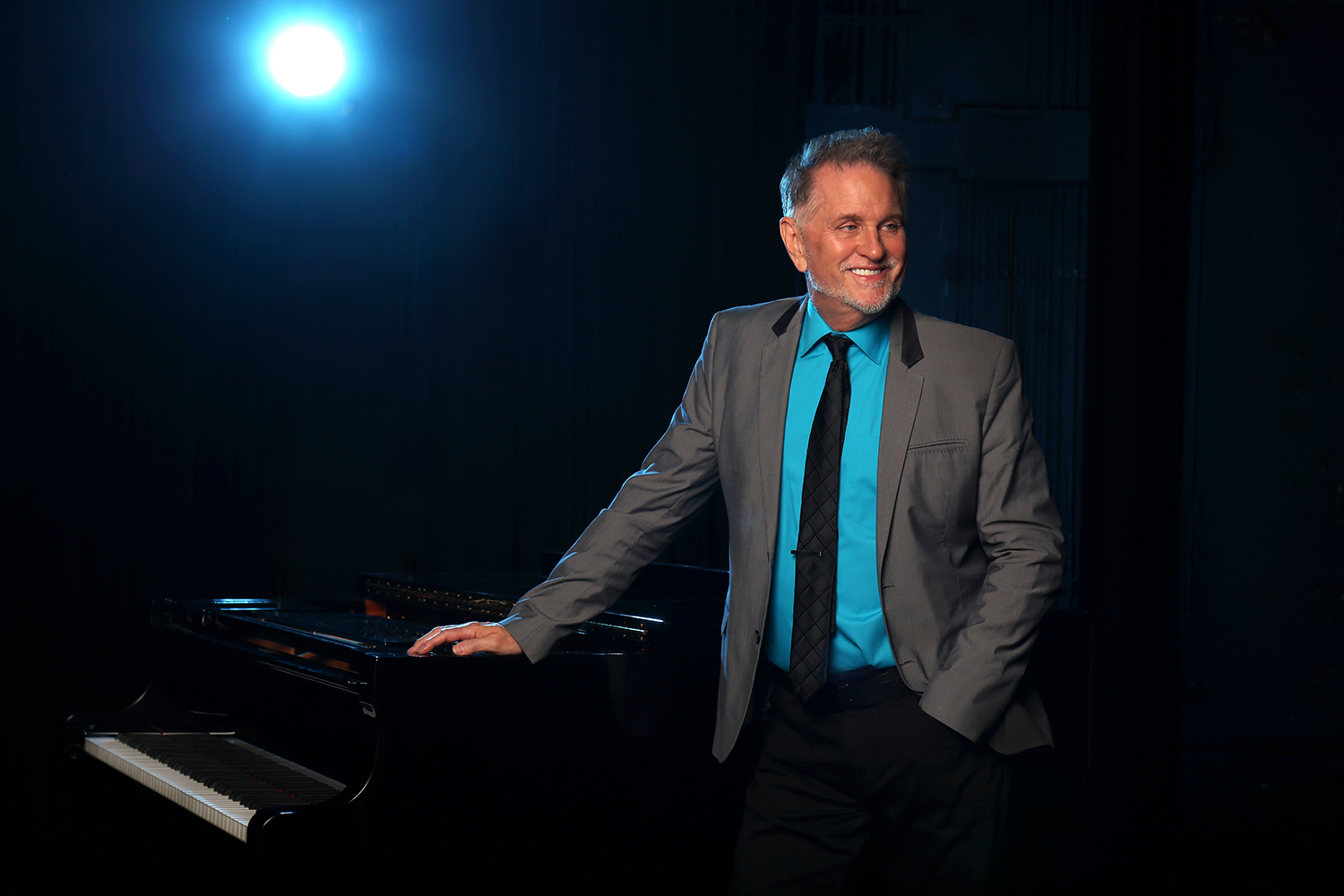
Ask anyone in the jazz music community about Gordon Goodwin, and immediately they’ll grow distant as they rhapsodize of the talent of this jazz great. His impact on jazz music and musical fusion is indelible, and by carrying on big band music into the twenty-first century he has given thousands the opportunity to experience the height of the golden ages of jazz brought to them. But beyond this, Goodwin was always true to his passion for music and his appreciation to be part of the world of jazz.
Gordon Goodwin was born on December 30, 1954, in Wichita, Kansas, but his family soon moved to Southern California, when he was only four years old. At five he began learning the piano and a few years later the saxophone as well. As a boy, he began listening to the works of artists such as Count Basie and Sammy Nestico, but he didn’t stop with listening–in only seventh grade he was composing jazz arrangements (West, Fukushima).
Goodwin went on to Cal State Northridge, where he wrote his first film score, before graduating in 1981. Soon afterwards, he got a job playing piano and writing arrangements for Disneyland. Simultaneously, he was playing piano and arranging music for jazz bandleaders such as Louie Bellson and Johnny Mathis, but he struggled to find a living. Instead, Goodwin made his successes pursuing the career that had opened to him in college by composing numerous film scores. He also directed the music for the TV show Animaniacs, which won him two Emmys (West).
Film scores were never Gordon Goodwin’s true passion, however. His real joys came from the mystic realm of jazz–which he’d never been able to pursue full-time as a studio musician. In 1999, Goodwin decided to explore the world of leading a jazz big band, just for one night. The Gordon Goodwin Big Phat Band made its debut at Cal State Northridge, and quickly gained popularity. His very first album, Swingin’ for the Fences, was nominated twice for the Grammys (West).
Now Goodwin finally had an outlet for the full breadth of his musical creativity, and he poured his soul into the Big Phat Band. Though the band never made enough money for Goodwin to support himself on it alone, he was able to keep the dream alive by continuing to write for movies and TV shows on the side. As well as producing more traditional jazz music, Goodwin pushed the limits of jazz music by adapting classical songs from composers such as Bach and Gershwin into a more jazzy style. And it was not only Goodwin who had invested into the Big Phat Band. With limited money available for funding the band, each and every one of the 18 musicians in the band were there entirely because of the music (Ruhlmann, Fukushima).
The band produced nine more records, finally winning a Grammy in 2014 with the album Life in the Bubble. It received widespread appreciation from not only the public but other legendary jazz musicians (West, Ruhlmann).
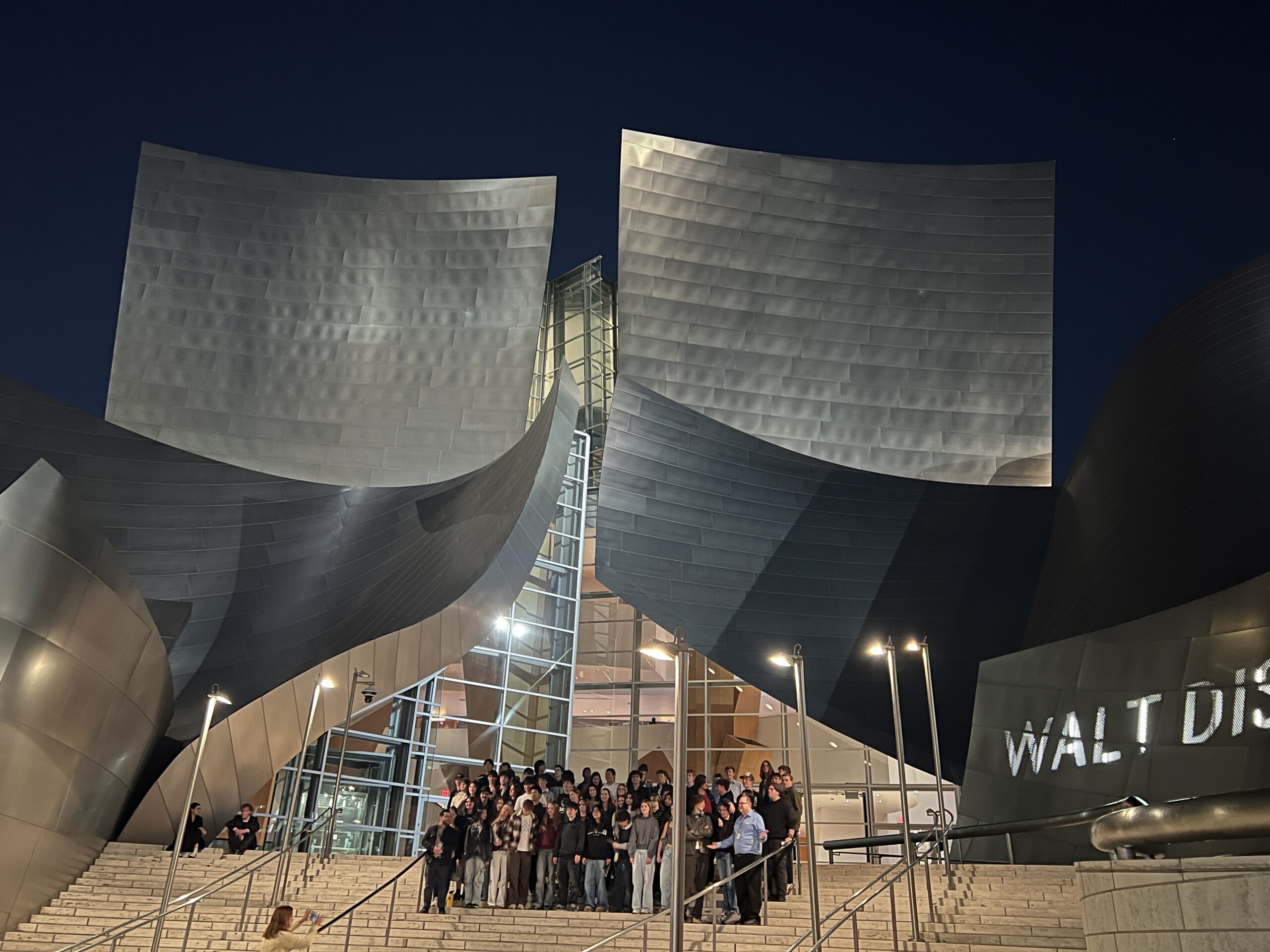
Gordon Goodwin continued to follow his passion for music until his dying day on December 8, 2025. He was three weeks shy of his 71st birthday when he passed from pancreatic cancer. It says a lot that the band grieved deeply–as anyone who attended the Celebrities concert, where Alex Isles, trombonist for the Big Phat Band, spoke, will know. Because Goodwin was always the friend of those who knew him. To the last, he had operated with enthusiasm, kindness, and conscience. A prodigy at music and a lover of taste and style, Gordon Goodwin will always be remembered as one of the jazz giants (West).
Sources:
- Gordon Goodwin’s Total Devotion
- In Memoriam: Gordon Goodwin, 1954–2025
- Gordon Goodwin Songs, Albums, Reviews, Bio & M… | AllMusic