Before it was about candy and costumes, Halloween was a night for ghosts and bonfires.
Halloween and its origins date back to the Celtic Festival of Samhain. The Celts, who lived in present-day Ireland, the United Kingdom, and northern France, believed that this night marked the end of the harvest season and the beginning of winter. They also believed that the boundary between the living and the dead became thin, allowing spirits to return to Earth. To protect themselves, people lit large bonfires and wore animal skins or masks to scare away ghosts.
When the Roman Empire conquered Celtic lands, their traditions blended with the festival of Samhain. The Romans celebrated Feralia, a day in late October that honored the dead, and Pomona, a festival dedicated to the goddess of fruit and trees. Pomona’s symbol was the apple, which may explain why bobbing for apples became a popular Halloween game centuries later.
As Christianity spread across Europe, the church sought to replace pagan celebrations with Christian ones. In the eighth century, Pope Gregory III declared November 1 All Saints’ Day, also called All Hallows’ Day, to honor saints and martyrs. The evening before became known as All Hallows’ Eve, which eventually shortened to Halloween.
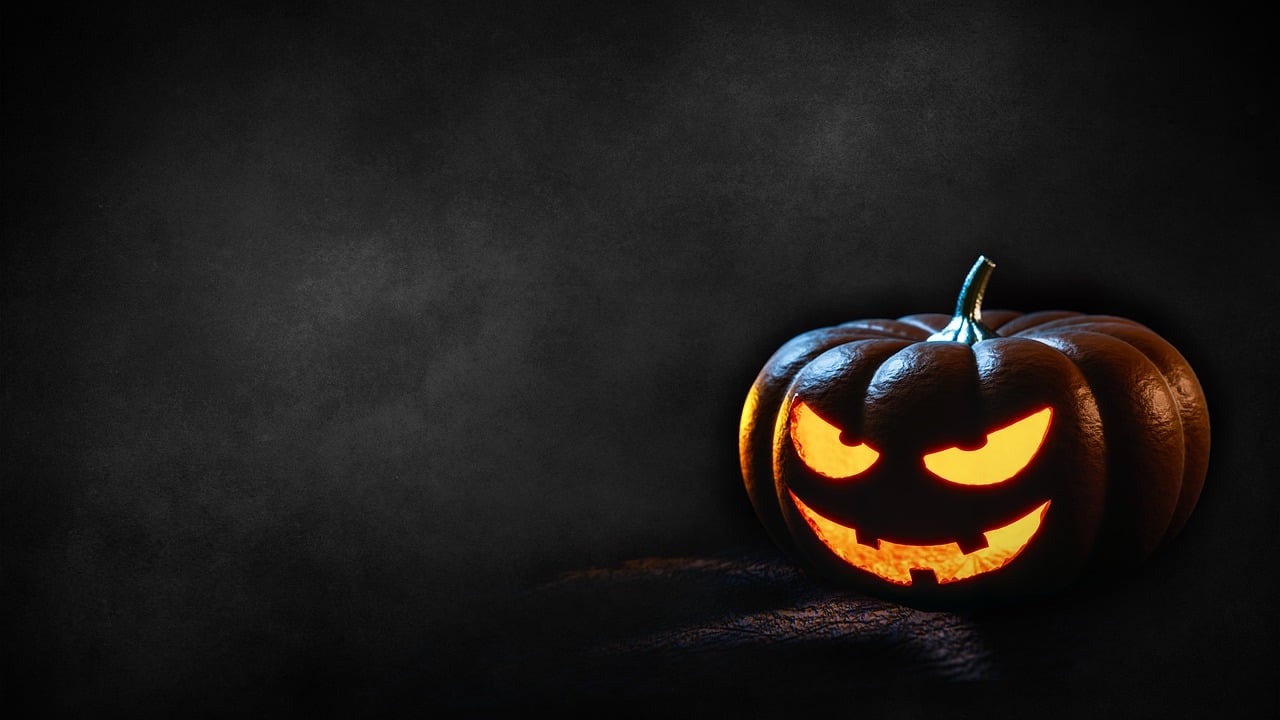
When Irish and Scottish immigrants came to America in the 1800s, they brought their Halloween customs with them. Communities began hosting gatherings to celebrate the harvest, tell ghost stories, and share food. The tradition of carving turnips into lanterns to ward off evil spirits turned into carving pumpkins, which were more common in North America.
Over time, Halloween became a more community-centered holiday, especially for children. By the early 20th century, Halloween parties and neighborhood celebrations became popular. The phrase “trick or treat” emerged as a tradition to encourage children to dress in costumes and go door to door collecting candy.
Today, Halloween is one of the most widely celebrated holidays in the United States. It blends ancient beliefs with modern fun, featuring costumes, haunted houses, pumpkin carving, and spooky decorations that continue to keep the spirit of the old Celtic festival alive.