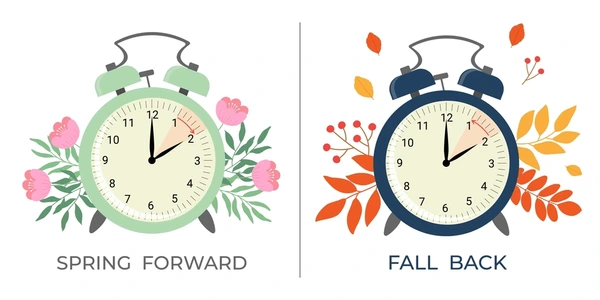
Daylight Saving Time (DST) is the practice of setting clocks forward by one hour in the spring and back by one hour in the fall. DST has become a long-standing tradition in many parts of the world, though it remains a subject of considerable debate.
The concept was first introduced during World War I, when several countries hoped to reduce fuel consumption. By shifting an hour of daylight from early morning to the evening, governments believed people would use less artificial lighting and save coal for the war effort. At the time, most households relied heavily on coal-powered electricity or kerosene lamps, and work schedules were more closely tied to daylight. Because industrial and military operations needed enormous amounts of energy, even small reductions in evening fuel use seemed worthwhile. The idea reappeared during World War II for similar reasons and eventually stuck in many countries, even after the wars ended.
Critics argue that changing the clocks twice a year causes more harm than good. Many people find the time shift disruptive to their sleep patterns, leading to grogginess, stress, and even temporary health risks. Studies have linked the springtime change to an increase in car accidents and workplace injuries. Schools often report dips in attendance or alertness and businesses sometimes notice drops in productivity during the adjustment period. Critics also say DST no longer fits modern life, since our energy use has changed dramatically. Unlike the early 1900s, today’s energy consumption is driven by electronics, climate control, and around-the-clock activity. Because of this, opponents see DST as outdated and question whether it still accomplishes what it once aimed to do.
Supporters of Daylight Saving Time, on the other hand, emphasize its benefits. Many argue that the additional evening daylight in the spring and summer makes communities more active and vibrant. People tend to spend more time outside, visit parks, attend events, or go shopping after school or work. This can boost the financial gains of local businesses, especially in areas that rely on tourism, outdoor dining, or recreation. Public-health advocates also note that brighter evenings can encourage safer walking, biking, outdoor exercise, and overall healthier lifestyles. Supporters say that even if the energy savings are minimal, they are still worthwhile for the social and economic benefits.
Ultimately, whether we should keep Daylight Saving Time depends on what people value more: year-round consistent schedules or longer summer evenings. While the clock changes can be inconvenient and unhealthy for some, others appreciate the economic benefits and lifestyle advantages. If it were up to me, I would recommend choosing a single time and sticking with it year-round. That way, communities could still choose what works best for them without the stress and confusion that come with switching the clocks twice a year.